We're Here To
Help
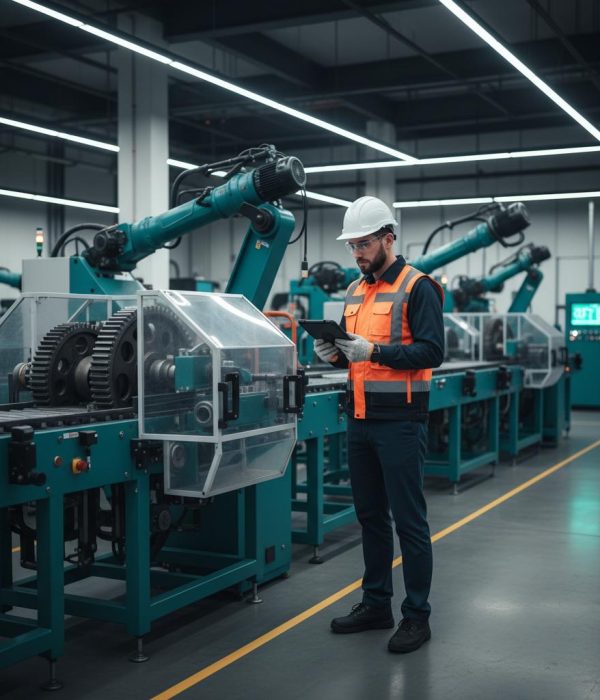
If your organisation provides, uses, manages, or controls work equipment, PUWER inspections are a key part of maintaining legal compliance and workplace safety.
The Provision and Use of Work Equipment Regulations 1998 (PUWER) require work equipment to be suitable for use, properly maintained, and inspected where necessary to ensure it remains safe.
Our experienced team provides specialist PUWER inspections and work equipment compliance support. Whether you require an initial inspection, periodic assessment, or ongoing compliance guidance, we help ensure your equipment is safe, fit for purpose, and supported by clear records and practical control measures.
A PUWER inspection is an assessment of workplace equipment carried out to confirm that machinery, tools, and other equipment can be used safely and remain suitable for their intended purpose. The Provision and Use of Work Equipment Regulations 1998 (PUWER) require employers to ensure equipment is safe, correctly installed, properly maintained, and inspected where necessary to prevent dangerous deterioration.
PUWER applies broadly to equipment used in the workplace, including machinery, tools, appliances, and certain installations. The regulations aim to ensure work equipment remains safe to use throughout its lifecycle, regardless of its age or origin.
Our PUWER inspections help organisations assess equipment safety, identify deterioration or control gaps, and maintain clear inspection records that support a structured approach to compliance.
PUWER applies to employers and organisations that provide, manage, or control work equipment used in the workplace, including situations where employees use equipment owned by another organisation. In practice, PUWER inspections are relevant across a wide range of sectors.

PUWER inspections form part of a wider framework designed to ensure work equipment is safe, suitable, properly maintained, and controlled in use. A compliant inspection programme should also include appropriate maintenance, safe systems of work, competent operators, and clear records of inspection findings and corrective actions.
Our experienced inspectors carry out PUWER inspections while helping organisations maintain structured inspection intervals, accurate records, and a more defensible approach to work equipment compliance.
PUWER can apply to a wide range of work equipment used at work. PUWER applies broadly to work equipment used in the workplace, including machinery, tools, appliances, apparatus, and installations. Common examples include:
A PUWER inspection evaluates whether work equipment can be operated safely and remains suitable for its intended purpose. The inspection focuses on identifying hazards, deterioration, or safety control gaps that could create risk during normal use. A competent inspection may assess factors such as:
Under PUWER Regulation 6, inspection is required in specific circumstances to ensure safe conditions are maintained.
Unlike LOLER, PUWER does not prescribe a universal 6 or 12 month inspection interval. Inspection frequency depends on the equipment, how it is used, and the risk of deterioration.
PUWER inspections should be carried out by a competent person with the appropriate knowledge, training, and experience to identify faults, deterioration, and safety risks in the relevant equipment.
In practice, this means someone who understands both the equipment being inspected and the safety requirements surrounding its use. Many organisations prefer the safety and reliability of using an independent inspection specialist to ensure inspections are impartial, technically informed, and supported by clear documentation demonstrating compliance.
PUWER and LOLER often apply to the same equipment, but they address different safety duties. PUWER focuses on the safe use, maintenance, and inspection of work equipment, while LOLER applies specifically to lifting equipment and lifting operations.
In practice, organisations using lifting equipment must often comply with both regulations, ensuring that equipment is safe to use under PUWER and subject to thorough examination under LOLER.
PUWER inspections play a critical role in ensuring work equipment is safe to use and compliant with workplace regulations. Effective compliance relies on suitable equipment, competent inspection, clear records, and practical control of ongoing risk.
At Compliancy Group, we combine specialist PUWER inspections with practical compliance support, helping organisations maintain safer equipment, clearer records, and a more structured approach to statutory compliance.
Our experienced inspectors assess work equipment against PUWER requirements, identifying safety issues, deterioration, and control gaps that could expose your organisation to operational or regulatory risk.
We combine inspection capability with real-world compliance knowledge, helping organisations understand what is legally required, what is operationally necessary, and how work equipment should be managed safely in practice.
Our inspections produce structured findings that support compliance evidence, corrective action planning, and stronger governance of work equipment across your organisation.
We help organisations manage inspection triggers, suitable intervals, and ongoing oversight of work equipment so compliance obligations are not missed.
Our approach goes beyond templated compliance systems. We provide practical guidance based on how equipment is actually used within your operation.
Continued involvement beyond certification to maintain standards, prepare for surveillance audits and strengthen long-term governance maturity.





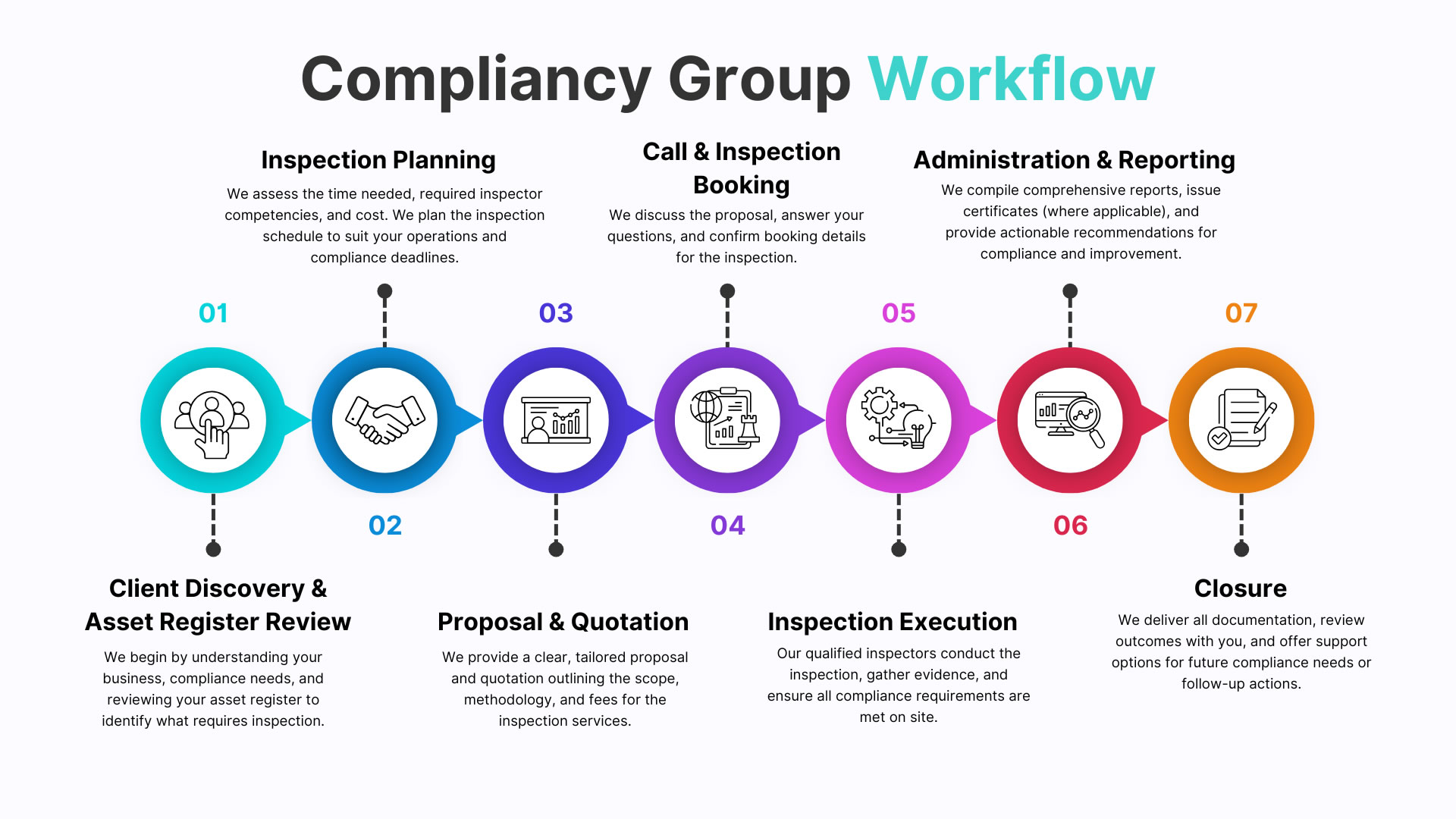
Our specialist team are here to help you through every stage of maintaining compliant inspection programmes.
There is no single fixed inspection interval under PUWER. HSE says equipment should be inspected at suitable intervals where deterioration could create danger, and also after installation, reassembly, or exceptional circumstances affecting safety.
Yes. PUWER requires inspection in certain circumstances to ensure work equipment remains safe and that dangerous deterioration is detected in good time.
A PUWER inspection should be carried out by a competent person with the appropriate knowledge, training, and experience to identify faults, deterioration, and safety risks in work equipment.
Many organisations choose independent inspection specialists to ensure inspections are impartial and supported by clear compliance documentation.
Fines can range from £10,000 to several hundred thousand pounds, depending on the risk and outcome.
PUWER applies broadly to work equipment and focuses on safe use, maintenance, inspection, and training. LOLER applies specifically to lifting equipment and lifting operations. In many workplaces, both regulations apply to the same equipment.
A PUWER assessment usually reviews equipment suitability, installation, guarding, controls, maintenance, deterioration, and safe use arrangements to determine whether the equipment can be used and maintained safely.
Yes, Compliancy Group offers PUWER and LOLER inspections, risk assessments, and consultancy across the UK. They provide: •Qualified inspectors •Statutory inspections •Detailed reports and compliance advice •Collaboration with your teams •Nationwide coverage •Comprehensive compliance services