A Noise Assessment is a targeted inspection designed to measure and evaluate workplace noise levels, ensuring they remain within safe and legal limits. Conducting a thorough noise assessment demonstrates your business’s commitment to employee wellbeing, legal compliance, and proactive risk management – trusted by clients, partners, and regulators across all sectors. With effective noise management, you protect your workforce from hearing loss, reduce health risks, and maintain a safe working environment. Compliancy Group guides you through every step – making noise compliance clear, practical, and a genuine business advantage.
Targeted inspection to measure and evaluate workplace noise levels
Ensures compliance with safe and legal noise limits
Demonstrates commitment to employee wellbeing and safety
Proactively manages and reduces risk of hearing loss
Supports legal compliance and risk management strategies
Trusted by clients, partners, and industry regulators
We understand the challenges of managing workplace noise and complying with current regulations. Our team brings hands-on experience with noise assessments, control measures, and industry best practices.
No one-size-fits-all here. Whether you need an initial noise survey, risk assessment, mitigation strategies, or ongoing compliance advice, our services are fully customised to your operations. We offer flexible support packages—from essential guidance to comprehensive on-site consultancy.
We work exclusively with UKAS-accredited certification bodies and maintain a 100% pass rate for compliance assessments. Our clients trust us to deliver results that stand up to audit and regulatory scrutiny—helping you achieve, maintain, and leverage noise compliance for business growth.
Compliance shouldn’t slow you down. We help you build safer environments, reduce noise risks, and improve operational efficiency—so you can focus on your core business.
You’ll work directly with our expert team, including leadership involvement from our CEO. We pride ourselves on responsive communication, clear guidance, and ongoing support throughout your compliance journey.
Unmatched Noise & Health & Safety Expertise
Tailored, End-to-End Support
Proven Track Record
Proactive and Practical
Personalised Service
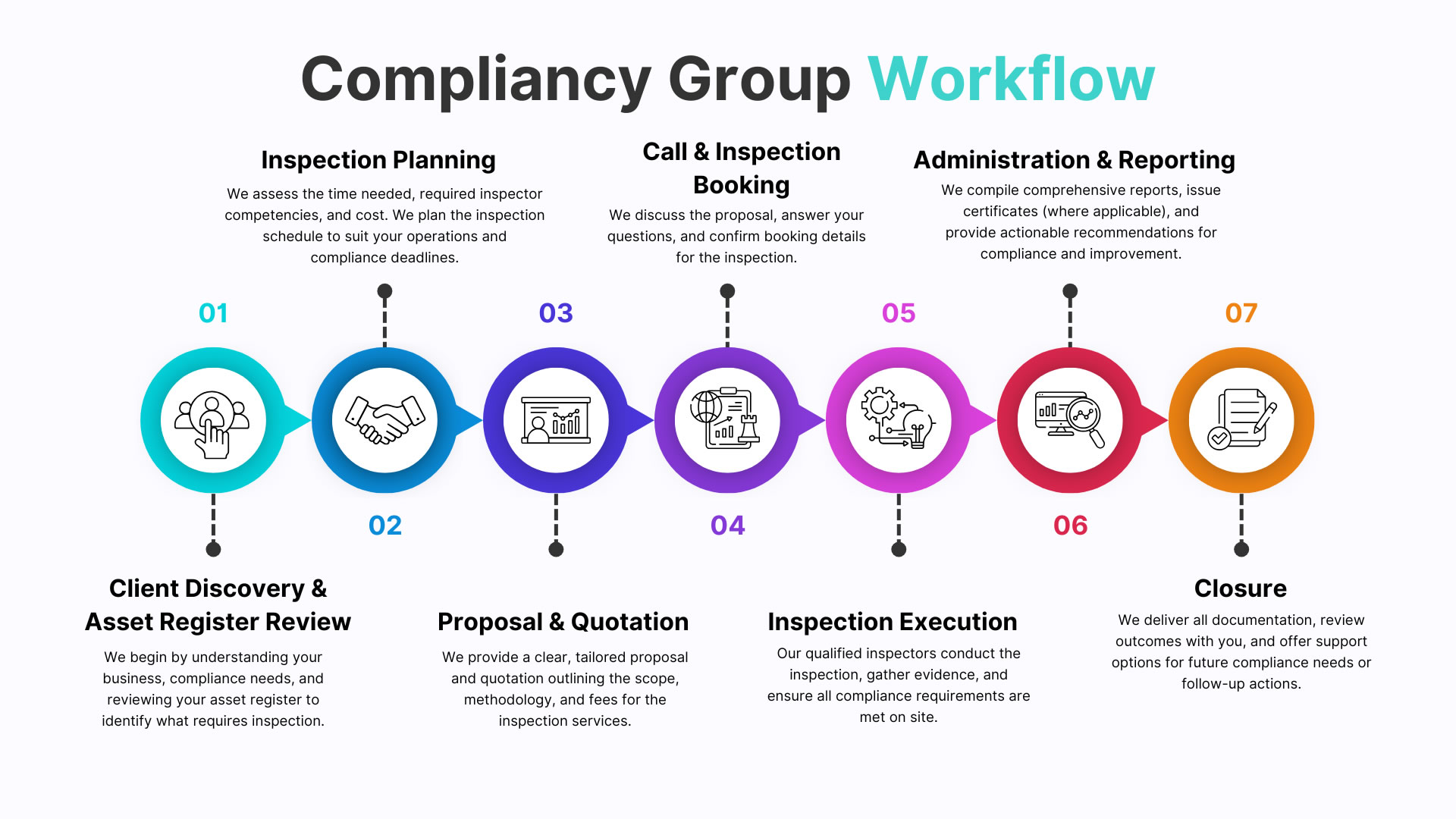
Our Framework for Inspection Compliance
Noise Assessment Benefits for Your Business
Demonstrate compliance to secure contracts and reassure clients, staff, and regulators.
Show your commitment to employee wellbeing, safety, and legal responsibilities.
Minimise the risk of noise-induced health issues and costly liabilities.
Enhance your standing as a responsible and trusted employer.
Regular assessments and compliance checks foster a culture of ongoing safety and operational excellence.
A Noise Risk Assessment outlines all measures needed to comply with noise at work regulations by mitigating or eliminating exposure. Failure to control noise hazards can lead to HSE enforcement.
It assesses the current noise environment and predicts changes from new developments, helping plan noise reduction strategies and ensure regulatory compliance.
BS 4142 is the key standard for assessing industrial and commercial sound impact on residential premises. BS 8233 is also used for guidance on sound insulation and noise reduction.
1. Identify main sources of noise
2. Measure noise levels (using dosimeters)
3. Implement control measures
4. Record findings
5. Seek expert help if needed