We're Here To
Help
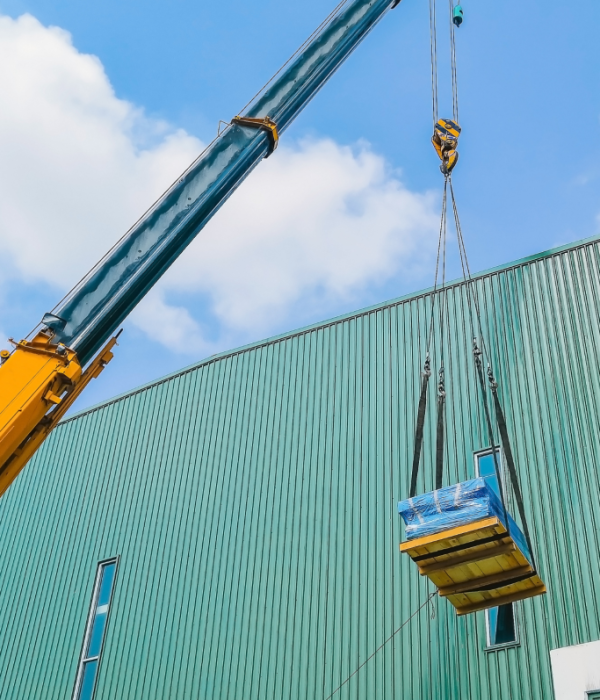
If your organisation owns, operates or controls lifting equipment, LOLER inspections are a legal requirement.
The Lifting Operations and Lifting Equipment Regulations 1998 (LOLER) require lifting equipment and accessories to undergo regular thorough examination by a competent person to ensure they remain safe and compliant.
Our experienced team provides specialist LOLER inspections and thorough examinations of lifting equipment. Whether you require an inspection or ongoing compliance support, we make sure your equipment meets regulatory requirements and operates safely within your workplace.
A LOLER inspection is a statutory thorough examination of lifting equipment carried out in accordance with the Lifting Operations and Lifting Equipment Regulations 1998 (LOLER).
These regulations apply to businesses and organisations that own, use or control lifting equipment in the workplace. The inspection ensures lifting equipment is safe, correctly maintained, and free from defects that could cause injury or equipment failure.
LOLER is the UK legislation that governs the safe use of lifting equipment in the workplace. It requires employers and duty holders to ensure lifting equipment is properly installed, maintained, and regularly examined by a competent person.
LOLER applies to employers and organisations that own, operate, or control lifting equipment used at work. Duty holders are responsible for ensuring lifting equipment is safe to use, properly maintained, and subject to regular thorough examination by a competent person. In practice, this affects a wide range of industries where lifting equipment is used as part of day-to-day operations.

LOLER inspections form part of a wider safety framework designed to ensure lifting equipment is safe, properly maintained, and compliant with workplace regulations. A compliant inspection programme includes regular thorough examinations, clear equipment records, and prompt reporting of any defects.
Our experienced examiners carry out thorough examinations while helping organisations maintain structured inspection schedules, accurate records, and defensible compliance documentation.
LOLER applies to a wide range of lifting equipment and lifting accessories used in the workplace. This includes equipment used to lift or lower loads or people, as well as accessories used to attach loads during lifting operations.
A thorough examination is a detailed inspection of lifting equipment and its safety-critical components, carried out by a competent person. The purpose is to identify defects, deterioration, or risks that could make the equipment unsafe to operate.
Under the Lifting Operations and Lifting Equipment Regulations 1998, lifting equipment must undergo regular thorough examination by a competent person. Typical inspection intervals include:
LOLER and PUWER are closely related workplace safety regulations that often apply to the same equipment.
LOLER focuses specifically on lifting operations and requires lifting equipment to undergo regular thorough examination by a competent person.
PUWER applies more broadly to workplace equipment and requires employers to ensure equipment is suitable, maintained, and safe to use, with appropriate training and inspection procedures in place.
In practice, organisations using lifting equipment usually need to comply with both regulations.
After completing a LOLER inspection, the competent person must produce a Report of Thorough Examination.
This document records the inspection findings and confirms whether the equipment is safe to continue operating. It also identifies defects and may specify deadlines for remedial action. A typical report will include:
LOLER inspections play a critical role in ensuring lifting equipment is safe to operate and compliant with workplace regulations. Proper examination, accurate reporting, and clearly managed inspection intervals are essential to maintaining safe lifting operations.
At Compliancy Group, we combine specialist LOLER inspections with practical compliance support, helping organisations maintain safe lifting equipment, clear inspection records, and a structured approach to ongoing statutory compliance.
LOLER requires lifting equipment to be examined by a ‘competent person’. Our experienced examiners carry out detailed thorough examinations, identifying safety risks and producing clear Reports of Thorough Examination to support statutory compliance.
We combine inspection expertise with real-world compliance knowledge, helping organisations understand their legal duties and manage lifting equipment safely within their operations.
Every inspection produces a structured Report of Thorough Examination, providing clear evidence of compliance and highlighting any defects or corrective actions required.
We help organisations maintain compliant inspection intervals, ensuring lifting equipment examinations are carried out on time and inspection records remain up to date.
Our support goes beyond templated compliance systems. We provide practical guidance based on how your organisation actually operates, helping ensure inspection processes, records, and responsibilities stand up to regulatory scrutiny.
Continued involvement beyond certification to maintain standards, prepare for surveillance audits and strengthen long-term governance maturity.





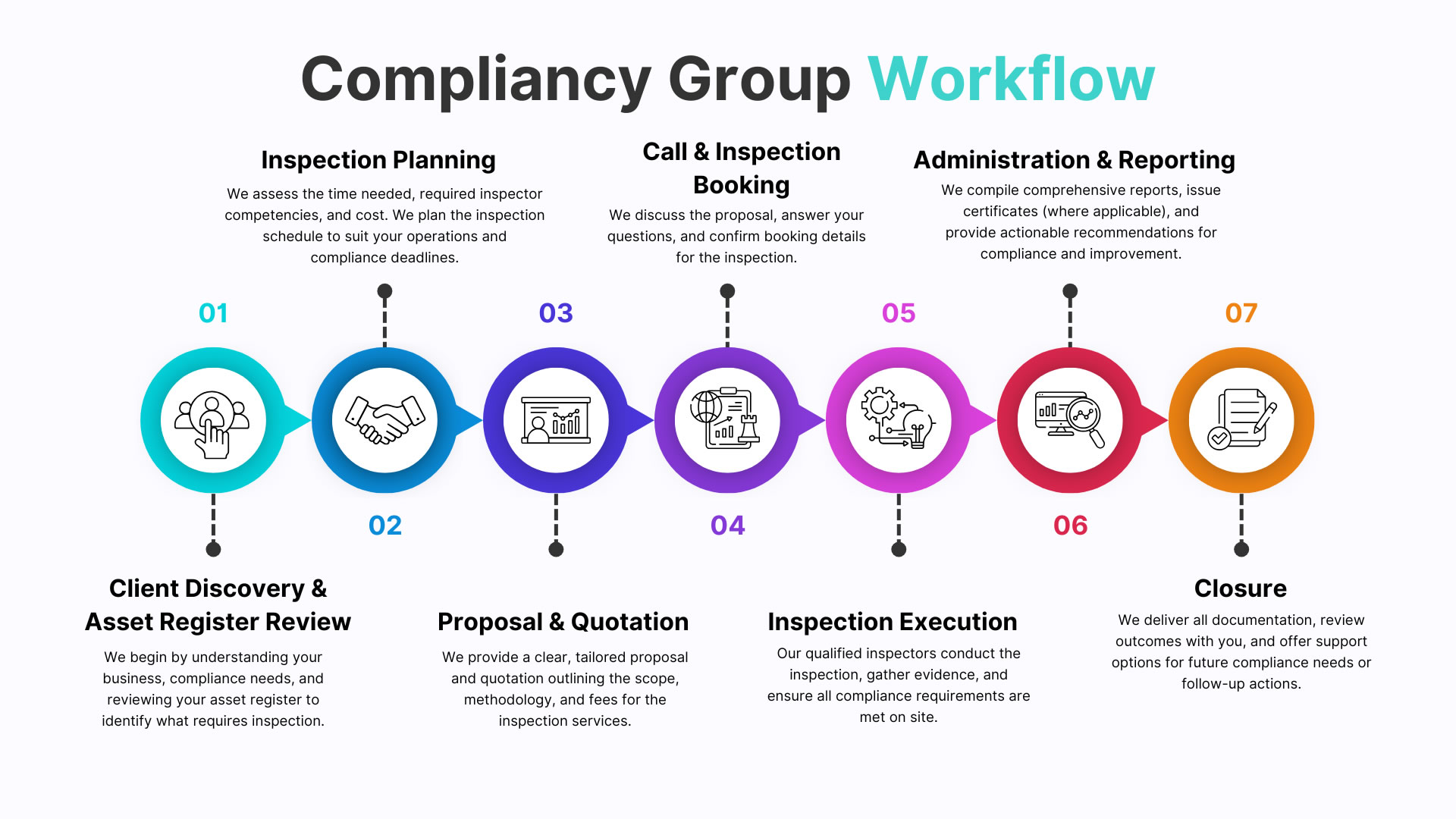
Our specialist team are here to help you through every stage of maintaining compliant inspection programmes.
A thorough examination is a detailed and systematic inspection of lifting equipment and its safety-critical components. It is carried out by a competent person at defined intervals under the Lifting Operations and Lifting Equipment Regulations 1998 (LOLER) to ensure the equipment remains safe to operate. The examination results are recorded in a Report of Thorough Examination.
Yes. Under the LOLER Regulations, lifting equipment used in the workplace must undergo regular thorough examination by a competent person. These inspections are required to identify defects, deterioration, or safety risks that could cause equipment failure or workplace injury.
Under the Lifting Operations and Lifting Equipment Regulations 1998 (LOLER), a competent person is someone with the appropriate knowledge, training, and experience to carry out a thorough examination of lifting equipment and assess whether it is safe to operate.
The competent person must be capable of identifying defects, deterioration, or weaknesses that could affect the safety of lifting operations and must be able to determine whether corrective action is required.
In many organisations, this role is carried out by an independent inspection specialist or qualified engineer with experience of lifting equipment and the relevant safety regulations.
LOLER requires that a thorough examination is carried out by a competent person who is sufficiently independent and impartial to make objective safety decisions.
In some organisations, an internal employee may be able to act as the competent person if they have the necessary expertise and independence from the maintenance or operation of the equipment. However, many businesses choose to use external inspection specialists to ensure examinations are impartial and meet regulatory expectations.
Using an independent examiner can also help demonstrate compliance during HSE inspections, audits, or insurance reviews.
LOLER and PUWER are related workplace safety regulations, and in many workplaces, both regulations apply to the same equipment.
LOLER (Lifting Operations and Lifting Equipment Regulations 1998) applies specifically to lifting equipment and requires regular thorough examination by a competent person.
PUWER (Provision and Use of Work Equipment Regulations 1998) applies to all workplace equipment and requires it to be safe, suitable, and properly maintained.
Yes. Safety harnesses used for lifting people or as part of fall protection systems must be regularly inspected and periodically examined by a competent person. In many cases, harnesses require a formal thorough examination at least every six months, alongside visual inspections before use and routine checks in line with manufacturer guidance.
Under LOLER, lifting straps and other lifting accessories must undergo a thorough examination at least every 12 months by a competent person. Inspection records should be kept, and additional checks may be required if the equipment is damaged or heavily used.