A Manual Handling Risk Assessment is a targeted inspection designed to identify, evaluate, and control the risks associated with lifting, carrying, and moving loads in the workplace. Completing a manual handling assessment demonstrates your business’s commitment to employee safety, legal compliance, and proactive risk management – trusted by clients, partners, and regulators across all sectors. With robust manual handling management, you reduce the risk of injuries, improve workplace efficiency, and show you value your team’s wellbeing. Compliancy Group guides you through every step – making manual handling compliance clear, practical, and a genuine business advantage.
Targeted inspection to identify and control manual handling risks
Evaluates lifting, carrying, and moving loads in the workplace
Demonstrates commitment to employee safety and wellbeing
Ensures compliance with manual handling regulations
Proactively reduces the risk of injuries and accidents
Trusted by clients, partners, and industry regulators
Improves workplace efficiency and operational safety
We understand the challenges of preventing manual handling injuries and complying with current regulations. Our team brings hands-on experience with risk assessments, control measures, and industry best practice.
No one-size-fits-all here. Whether you need an initial assessment, policy development, staff training, or ongoing compliance advice, our services are fully customised to your operations. We offer flexible support packages—from essential guidance to comprehensive on-site consultancy.
We work exclusively with UKAS-accredited certification bodies and maintain a 100% pass rate for compliance assessments. Our clients trust us to deliver results that stand up to audit and regulatory scrutiny—helping you achieve, maintain, and leverage manual handling compliance for business growth.
Compliance shouldn’t slow you down. We help you build safer environments, reduce risk, and improve operational efficiency—so you can focus on your core business.
You’ll work directly with our expert team, including leadership involvement from our CEO. We pride ourselves on responsive communication, clear guidance, and ongoing support throughout your compliance journey.
Unmatched Manual Handling & Health & Safety Expertise
Tailored, End-to-End Support
Proven Track Record
Proactive and Practical
Personalised Service
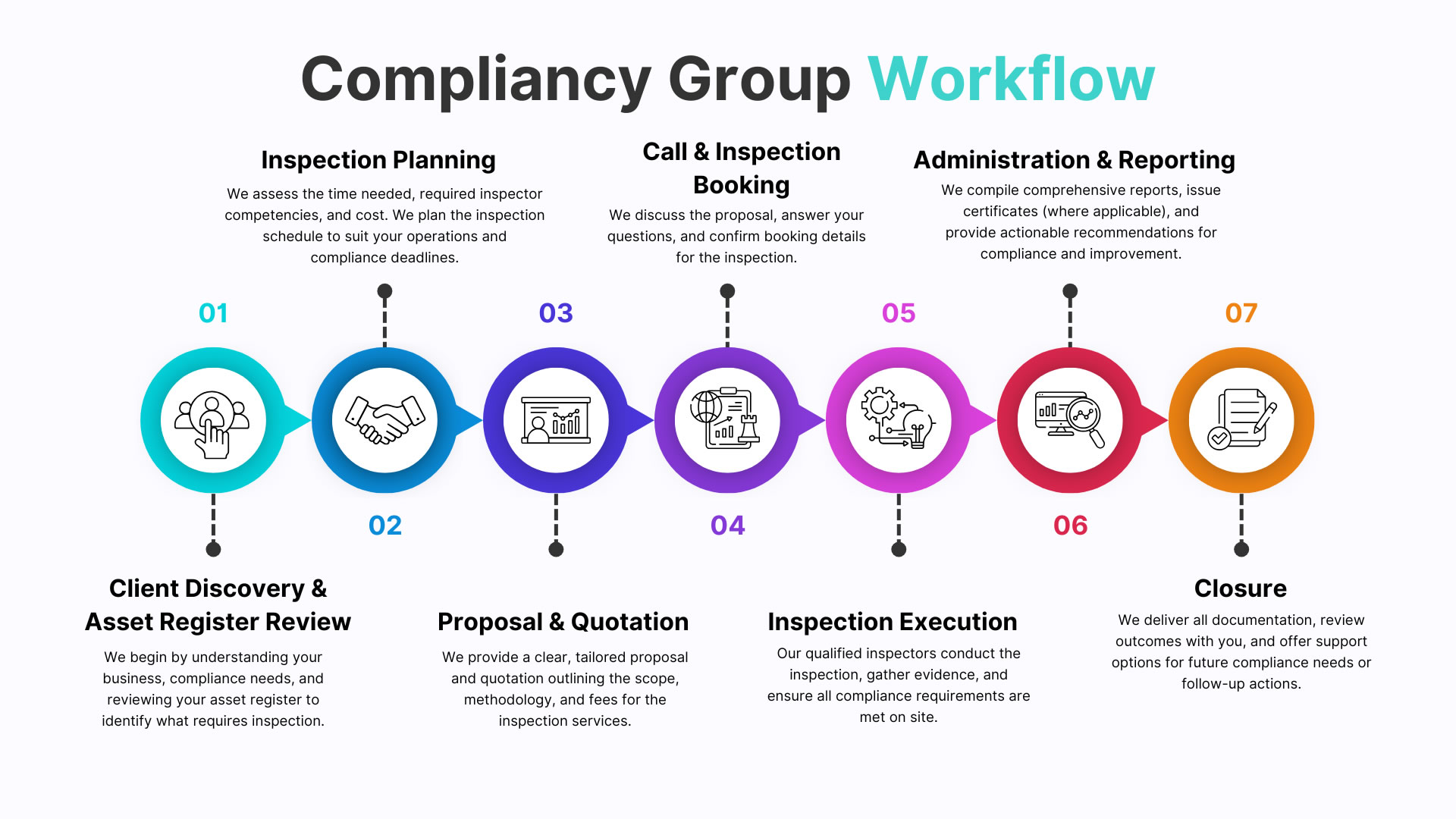
Our Framework for Inspection Compliance
Manual Handling Risk Assessment Benefits for Your Business
Unlock New Opportunities: Demonstrate compliance to secure contracts and reassure clients, staff, and regulators.
Boost Credibility: Show your commitment to employee safety, wellbeing, and legal responsibilities.
Reduce Risk of Injuries: Minimise the risk of musculoskeletal disorders, accidents, and costly liabilities.
Strengthen Reputation: Enhance your standing as a responsible and trusted employer.
Drive Continuous Improvement: Regular assessments and compliance checks foster a culture of ongoing safety and operational excellence.
Yes, if hazardous manual handling risks can’t be avoided, you must carry out a risk assessment to manage those risks. Involve your workforce in the process.